
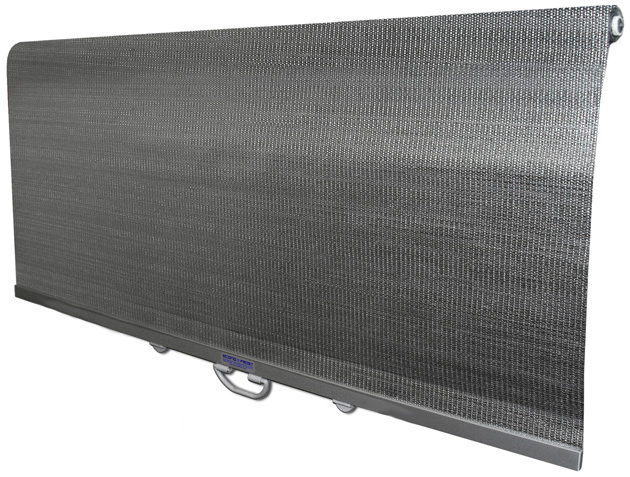
In the world of supermarket refrigeration night covers, materials matter more than many retailers realize. The durability, thermal efficiency, and hygiene of night covers directly impact how well they protect food, reduce shrink, and deliver energy savings.
While some covers are made of plastic sheets or coated with so-called “nano-silver” antibacterial films, research and field performance consistently show that woven aluminum night covers outperform these alternatives across every key metric: energy efficiency, food safety, sustainability, and return on investment.
Why Material Choice Matters
Night covers are more than just “curtains” for refrigerated cases. They act as:- Thermal barriers that trap cold air in open refrigerated cases.
- Protective shields against heat, light, and airborne contaminants.
- Shrink reducers that extend the shelf life of perishable foods.
- Energy-saving tools that cut refrigeration costs by 36%–50%.
Plastic Night Covers: Short-Term Solution, Long-Term Headache
Plastic is often used in low-cost retrofit covers, but it comes with significant drawbacks:- Weak Thermal Properties: Plastic does little to block heat transfer. Cold air leaks easily, reducing energy savings.
- Poor Durability: Plastic cracks, warps, and becomes brittle under daily use, especially in colder climates.
- Hygiene Concerns: Plastic is harder to clean and can harbor bacteria, leading to hygienic risks in retail settings.
- High Replacement Rate: Frequent breakage means higher long-term costs. What seems cheap upfront becomes expensive over time.
Nano-Silver Coated Covers: Marketing Gimmick or Real Innovation?
Some suppliers market nano-silver infused or coated night covers as a “hygienic innovation.” While silver does have antibacterial properties, the practical benefits for night covers are questionable:- Surface-Only Protection: Nano-silver may reduce bacterial growth on the surface, but it does not improve thermal insulation or energy efficiency.
- Durability Issues: Coatings wear off with frequent rolling and cleaning, reducing effectiveness over time.
- Cost Premium:Nano-silver covers are often more expensive without delivering measurable ROI in food preservation or energy savings.
Why Woven Aluminum Outperforms the Rest
Woven aluminum night covers, like the industry-leading Econofrost 9000 Series, remain the most reliable and effective solution. Here’s why:- Superior Thermal Insulation
- The woven aluminum surface reflects ambient heat and light, acting as a high-performance thermal barrier.
- Keeps cold air in the case longer, even during power outages, protecting food safety.
- Durability Under Daily Use
- Resistant to tearing, fraying, and bending.
- Designed to withstand thousands of roll-ups without losing performance.
- Proven to last 7–10 years compared to plastic’s 1–2 years.
- Hygienic & Easy to Clean
- Smooth woven aluminum surfaces resist dirt and bacteria buildup.
- Easy to wipe down with standard store cleaning agents.
- Meets hygienic night cover standards for fresh food retail.
- Energy Savings You Can Measure
- Independent studies confirm 36%–50% hourly refrigeration savings.
- Works seamlessly with energy management systems in modern supermarkets.
- Sustainability & ROI
- Long product lifespan reduces replacement waste.
- Supports sustainability goals by cutting food waste and carbon emissions.
- Proven ROI with night covers ROI calculator tools showing payback in less than a year.
Head-to-Head Comparison
Feature Plastic Covers Nano-Silver Covers Woven Aluminum Covers Thermal Performance Weak Moderate Excellent Durability 1–2 years 2–4 years 7–10 years Food Safety Poor (bacterial growth) Surface-level antibacterial Excellent (thermal + hygiene) Ease of Cleaning Hard Coating wears off Easy wipe-clean Energy Savings Minimal Some 36%–50% hourly ROI Low Questionable High The difference is clear: woven aluminum night covers consistently outperform plastic and nano-silver options across every metric that matters to retailers.Real Retailer Results
A European supermarket chain tested plastic vs. woven aluminum night covers over a 12-month period:- Plastic: Saved only 8% on refrigeration energy, required replacement in 18 months, and caused frequent staff complaints.
- Woven Aluminum: Delivered 42% hourly energy savings, reduced shrink by 12%, and lasted more than 7 years.
Key Use Cases for Woven Aluminum Night Covers
Produce Case Night Covers: Preserve freshness and prevent dehydration overnight.- Meat & Deli Cases: Maintain cold, safe storage during power outages.
- Dairy & Floral Cases: Extend product shelf life and reduce daily shrink.
- Freezer Case Night Covers: Prevent ice buildup and stabilize temperatures.
Final Thoughts: Invest in Proven Performance
Choosing the right material for your night covers is not just about cost—it’s about ensuring food safety, energy efficiency, and long-term ROI.- Plastic coversmay seem cheap, but their poor insulation and high replacement rate make them costly over time.
- Nano-silver coverssound impressive, but their benefits are mostly surface-level marketing without lasting ROI.
- Woven aluminum night covers deliver unmatched performance, combining durability, hygiene, and measurable energy savings.