
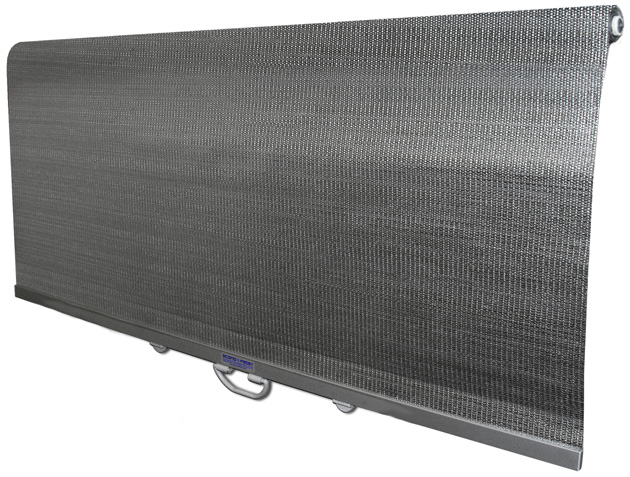
Supermarkets and grocery retailers are always searching for ways to improve energy efficiency, extend product shelf life, and enhance the shopper experience. While night covers are widely recognized for their role in refrigerated produce and meat cases, their value extends far beyond these common departments. Specialty departments—such as deli, floral, and beverages—benefit significantly from the strategic use of woven aluminum refrigeration night covers.
This blog explores how these covers support each department uniquely, why woven aluminum materials outperform alternatives, and how retailers can integrate them into their sustainability strategies for measurable ROI.
Why Specialty Departments Need Night Covers
Open refrigerated cases are energy-intensive and expose perishable items to fluctuating temperatures overnight. Specialty departments, often overlooked in energy management strategies, present unique challenges:- Delis store high-value prepared foods and meats that are sensitive to oxidation and temperature fluctuations.
- Floral departments require stable humidity and cool conditions to preserve delicate flowers.
- Beverage cases need consistent cooling to maintain product quality, carbonation, and appeal.
Night Covers in the Deli Department
- Protecting Prepared Foods: Deli items such as sliced meats, cheeses, salads, and ready-to-eat meals are highly perishable. Overnight temperature swings increase the risk of spoilage, leading to shrink and potential food safety concerns.
- Reduce dehydration and oxidation of sliced meats.
- Maintain consistent cooling during off-hours.
- Cut down on shrinkage, saving up to $1 per linear foot per day in product losses.
- Enhancing Food Safety Compliance: Food safety audits emphasize consistent temperature control in deli departments. Covers ensure refrigerated cases stay closer to optimal ranges overnight, reducing compliance risks.
Night Covers in the Floral Department
- Extending Flower Shelf Life: Fresh flowers are among the most delicate items in a grocery store. They wilt quickly when exposed to warm air or fluctuations in humidity. Night covers help preserve floral freshness, giving retailers longer sell-through windows.
- Maintaining ideal temperatures overnight for roses, tulips, and bouquets.
- Retaining moisture balance, preventing flowers from drying out.
- Reducing daily shrink, which can run as high as 30% in floral departments.
- Improving Display Appeal: Because flowers are an impulse purchase, appearance matters. Night covers reduce light-induced fading and extend visual appeal, making displays more attractive to shoppers the next morning.
Night Covers for Beverage Cases
- Energy Efficiency in High-Traffic Departments: Cold beverage cases are among the highest energy-consuming assets in supermarkets. They often remain open for easy grab-and-go shopping but lose significant cooling power during off-hours.
- 36–50% hourly energy savings compared to uncovered cases.
- Lower compressor workload, extending refrigeration system lifespan.
- Consistent cooling for sodas, juices, energy drinks, and dairy beverages.
- Preserving Product Quality: Cans and bottles left in fluctuating temperatures may lose carbonation or taste stale. Covers help keep beverages at the ideal serving temperature overnight, ensuring customer satisfaction.
Why Woven Aluminum Outperforms Plastic Covers
While some retailers experiment with plastic or nano-silver materials, woven aluminum night covers remain the gold standard for specialty departments. Key advantages include:- Durability– Resists tearing and daily wear.
- Thermal reflectivity– Superior insulation and energy savings.
- Moisture resistance– Critical for floral cases where condensation is common.
- Fire safety compliance– Meets strict retail safety regulations.
ROI Across Specialty Departments
Night covers aren’t just operational add-ons—they’re financial assets. Specialty departments often carry high-margin products but also face higher shrink rates. Typical ROI timeline:- Deli: 6–12 months, thanks to shrink reduction and food safety compliance.
- Floral: 3–9 months, due to immediate improvements in freshness and reduced waste.
- Beverage: 12–18 months, through lower utility bills and improved refrigeration efficiency.
Implementation Best Practices
To maximize results across deli, floral, and beverage departments:- Train staff on proper nightly deployment.
- Clean and maintain covers regularly to ensure longevity.
- Integrate with planograms for efficient merchandising.
- Consider motorized options for high-traffic areas to reduce staff workload.
Sustainability and Shopper Perception
Today’s shoppers are more eco-conscious than ever. By adopting night covers, retailers can communicate measurable sustainability efforts:- Carbon footprint reduction through lower refrigeration energy use.
- Food waste reduction by extending freshness.
- Visible proof of commitment to green initiatives.