
Supermarkets and grocery retailers are constantly looking for ways to cut operating expenses, reduce energy waste, and improve product preservation. Two common solutions for open refrigerated cases are night covers and retrofit glass doors. While both aim to improve energy efficiency, their long-term impacts on costs, sales, and customer experience differ significantly.
Understanding the true cost of ownership is essential for retailers deciding between these two solutions. This blog explores the financial, operational, and shopper-related considerations that make night covers from www.ramicovers.com a more practical and profitable investment compared to glass doors.
Why Retailers Consider Barriers for Open Cases
Open refrigerated display cases are designed for maximum product visibility and convenience, but they are also one of the largest energy drains in supermarkets. Cold air constantly spills into the store, forcing compressors and fans to work harder.
Retailers install barriers such as retrofit glass doors or night covers to:
- Reduce hourly energy consumption.
- Lower refrigeration maintenance costs.
- Protect perishable products like meat, dairy, produce, and deli items.
- Align with sustainability initiatives.
But while both solutions offer savings, the total cost of ownership can differ drastically.
Initial Investment: Glass Doors vs. Night Covers
- Glass Doors:- Retrofitting open cases with glass doors is a major capital expense. Costs include:
- The glass doors themselves (expensive hardware).
- Installation fees, which require downtime and skilled technicians.
- Ongoing maintenance for hinges, seals, and glass panels.
For a medium-sized supermarket, converting multiple aisles to glass doors can quickly reach tens of thousands of dollars in upfront costs.
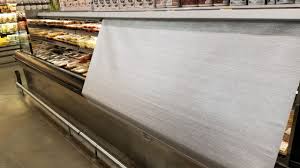
- Night Covers:- By contrast, night covers are a fraction of the cost to install. Retrofit night covers are easily mounted on existing cases without major disruption. Retailers can choose between reflective aluminum night covers, woven aluminum night covers, or even motorized night covers for high-traffic environments.
At www.ramicovers.com, retailers can explore multiple options designed for meat cases, dairy cases, produce cases, deli cases, freezer cases, and floral cases, all at a lower upfront price than glass doors.
Energy Savings and Performance
Both solutions reduce energy waste, but the way they save energy is different.
- Glass doors:- Prevent cold air from escaping 24/7, but they also restrict airflow and can create uneven cooling inside the case.
- Night covers:- Provide a thermal barrier only during off-hours. During the day, cases remain open and accessible, maintaining optimal airflow and display conditions.
Studies show that Econofrost night covers can deliver 36%–50% hourly energy savings when in use. With a Night Covers ROI Calculator, retailers can measure real-world savings and often see payback within months.
Shopper Behavior and Sales Impact
One of the biggest drawbacks of glass doors is their impact on shopper psychology:
- Shoppers perceive doors as barriers. They may hesitate to open them, leading to fewer impulse purchases.
- Fogging or condensation can make products less visible, especially in busy stores.
- Doors can create bottlenecks in high-traffic aisles, reducing shopping comfort.
Night covers avoid these issues by being invisible during the day. Customers experience open, welcoming displays that encourage browsing, while covers are simply pulled down at night to secure freshness and reduce costs.
In terms of sales, night covers support stronger daily revenue compared to glass doors, which can reduce product movement over time.
Maintenance and Longevity
- Glass Doors
- Glass doors require ongoing maintenance:
- Hinges wear out and need replacement.
- Seals crack or degrade, leading to energy leaks.
- Glass requires frequent cleaning to maintain visibility.
Over the years, these hidden costs add up, especially in stores with dozens of cases.
- Night Covers:- Modern long-lasting night covers from www.ramicovers.com are designed for durability. 9000 Series and 9600 Series night covers feature woven aluminum or reflective aluminum materials, which resist tearing, moisture, and wear. Replacement parts are inexpensive and easy to install.
Overall, night covers provide a lower lifetime maintenance cost compared to glass doors.
Freshness, Food Safety, and Shrink Reduction
Another overlooked cost factor is product shrink. Temperature fluctuations can cause significant food waste, especially in produce, meat, dairy, and floral displays.
- Glass doors sometimes trap heat inside if airflow is uneven, leading to product spoilage.
- Night covers ensure stable overnight cooling, protecting food during closing hours or even during unexpected events like power outages.
This not only reduces shrink but also extends product shelf life, saving retailers money on lost inventory.
Rebates, Sustainability, and ROI
Many energy providers offer utility rebates for night covers, which significantly lower the cost of adoption. By contrast, rebate programs for glass doors are less common due to their high upfront expense.
From a sustainability perspective, both solutions reduce energy waste, but night covers offer:
- Lower embodied energy (less material manufacturing than glass doors).
- Reduced replacement waste (simple replacement parts extend product life).
- Better alignment with sustainability goals at a lower financial cost.
With the help of www.ramicovers.com/rebates, retailers can maximize savings while meeting environmental commitments.
True Cost of Ownership: A Breakdown
- Factor Glass Doors Night Covers
- Upfront Cost High (thousands per case) Low (affordable retrofit)
- Energy Savings Moderate High (36%–50% per hour when in use)
- Shopper Behavior Reduced impulse buys, less visibility No impact—open cases during the day
- Maintenance Frequent and costly Minimal, with easy replacement parts
- Shrink Reduction Moderate, but uneven cooling risks Strong protection, better shelf life extension
- ROI Timeline Years Months
When all factors are considered, night covers clearly deliver the lowest total cost of ownership.
Conclusion
Both night covers and retrofit glass doors can reduce energy waste in supermarkets, but the true cost of ownership tells a different story. While glass doors involve high upfront costs, ongoing maintenance, and potential sales loss, Econofrost night covers from www.ramicovers.com offer a lower-cost, higher-return solution.
With proven energy savings, extended product shelf life, and a positive shopper experience, night covers are the smarter choice for long-term profitability.
Want to see how much your store can save? Visit www.ramicovers.com today and explore our full range of retrofit night covers for every type of refrigerated case.