
Sustainability is no longer an optional initiative for food retailers—it is a business necessity. With increasing pressure from consumers, governments, and utility providers, supermarkets and grocery stores are rethinking how they operate, measure performance, and reduce environmental impact. Among the many tools available, one often-overlooked solution is the night cover.
Night covers for open refrigerated display cases do far more than cut utility bills. They also play a measurable role in carbon footprint reduction, making them a key sustainability solution for retailers worldwide. By lowering energy demand, reducing food waste, and extending equipment life, night covers directly support environmental goals while delivering financial returns.
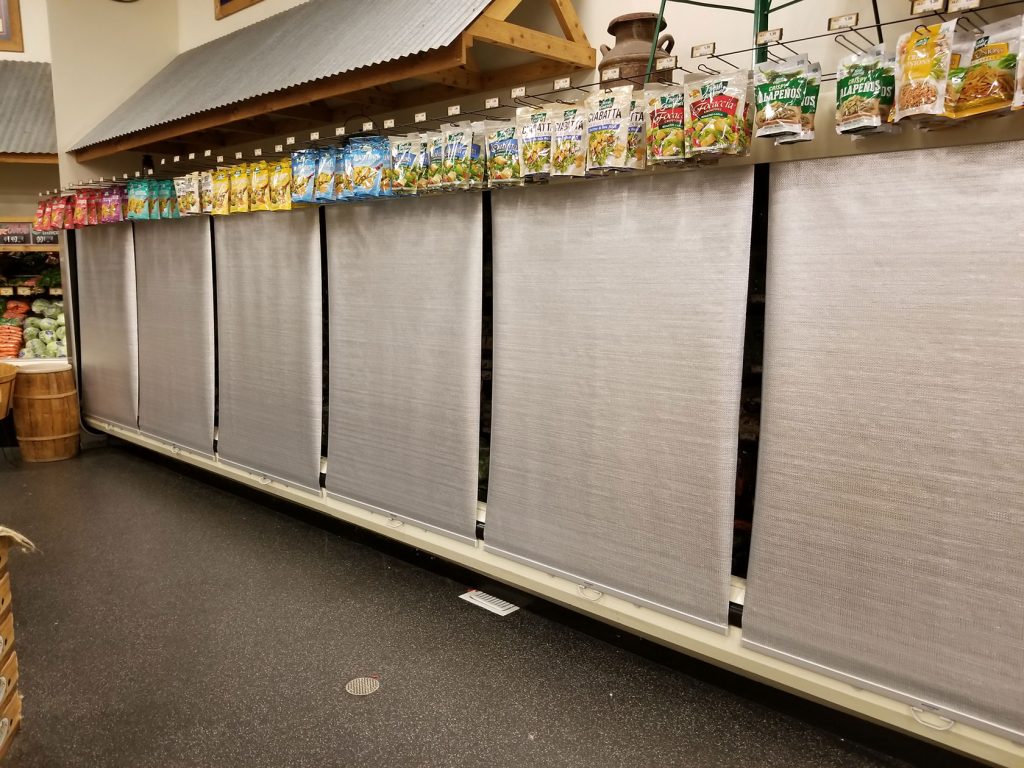
This article explores how sustainability metrics reveal the impact of night covers and why they should be part of every retailer’s green strategy.
Understanding Sustainability Metrics in Retail
Sustainability metrics are data-driven measurements that help retailers evaluate their environmental performance. For supermarkets, these typically include:
- Energy consumption (kWh) – A primary contributor to carbon emissions.
- Carbon footprint (CO₂e) – Total greenhouse gas emissions from operations.
- Food waste reduction – Preventing spoilage reduces methane emissions from landfills.
- Operational efficiency – Smarter use of refrigeration systems extends equipment life.
Integrating Econofrost night covers into daily operations influences each of these categories, helping retailers achieve both cost savings and sustainability certifications.
Energy Savings and Carbon Reduction
Open refrigerated cases are among the biggest energy consumers in grocery stores. Studies show that night covers deliver 36%–50% hourly energy savings in refrigerated display cases when used properly.
These savings directly translate to carbon footprint reduction:
- Lower kWh usage means fewer fossil fuels burned to generate electricity.
- Consistent performance reduces refrigeration compressor strain, lowering emissions over time.
- When integrated into energy management night covers systems, performance is optimized store-wide.
For example, if a supermarket saves 100,000 kWh annually with retrofit night covers, that equates to preventing roughly 70 metric tons of CO₂ emissions—the same as planting over 1,000 trees.
Reducing Food Waste with Night Covers
Food waste is another significant contributor to greenhouse gas emissions. Spoiled meat, dairy, produce, and deli items not only waste money but also emit methane when discarded.
By acting as a thermal barrier, woven aluminum night covers and reflective aluminum night covers help stabilize temperatures, keeping perishable products fresh overnight. Benefits include:
- Night covers shelf life extension – Fresher produce and meat last longer.
- Night covers reduce shrink – Lower product loss means less waste.
- Preservation night covers fresh food – Particularly valuable for produce misting systems and dairy displays.
Every pound of food preserved through night covers represents avoided emissions, aligning with sustainability goals.
Night Covers vs. Glass Doors: The Green Choice
Some retailers compare night covers vs. glass doors when evaluating sustainability. While glass doors provide insulation, they also alter shopper behavior and require heavy retrofitting.
Night covers, on the other hand:
- Maintain open-case merchandising during business hours.
- Use less material and energy in manufacturing compared to glass doors.
- Offer long-lasting night covers with minimal replacement needs.
- Qualify for utility rebate night covers programs, further encouraging adoption.
From a life cycle perspective, night covers often provide a smaller carbon footprint than retrofit glass door installations.
Measuring Sustainability with Night Covers
Retailers need clear metrics to demonstrate their sustainability achievements. Night covers deliver measurable results in the following ways:
- Night covers energy savings – Easily tracked through utility bills and smart meters.
- Night covers ROI calculator – Quantifies cost and carbon savings for decision-makers.
- Sustainability reporting – Night covers contribute to GHG reporting, LEED certifications, and ESG initiatives.
- Night covers cost savings – Energy and waste reductions can be reported as both financial and environmental performance metrics.
These numbers are invaluable for demonstrating progress to stakeholders, customers, and regulators.
Case Example: A Retailer’s Carbon Savings
Consider a mid-sized supermarket chain installing 9000 Series night covers across 20 stores. After one year, sustainability metrics showed:
- Energy cost reduction refrigerated cases by 40%.
- Shrink reduction in produce and meat by 12%.
- Carbon footprint reduction of over 1,400 metric tons across all stores.
These results not only lowered operational costs but also helped the retailer secure utility rebates and position itself as a leader in sustainable retail practices.
Maintenance for Sustained Green Impact
To ensure night covers continue delivering carbon reductions, proper cleaning and maintenance are essential.
- Regularly clean covers to maintain reflective properties.
- Inspect night covers replacement parts like springs and handles.
- Ensure motorized night covers remain integrated with automation systems for maximum efficiency.
- Train staff to deploy covers properly every night.
- Longevity ensures that environmental benefits are maximized over the full life of the product.
Night Covers as Part of a Bigger Sustainability Strategy
Night covers are not a standalone solution—they work best when paired with other sustainable practices, such as:
- LED lighting for refrigerated cases
- Smart building automation to integrate HVAC and refrigeration loads
- Renewable energy adoption at the store level
Together, these strategies create a holistic sustainability program where night covers play a measurable, reliable role in cutting emissions.
CTA: Reduce Your Carbon Footprint with Rami Covers
In today’s competitive retail market, sustainability is as important as profitability. Night covers deliver both, helping retailers cut costs while achieving measurable carbon reductions. From energy savings to food waste reduction, they represent one of the smartest, most cost-effective ways to shrink your carbon footprint.
If you’re ready to make your supermarket more sustainable with proven solutions like the 9000 Series and 9600 Series night covers, visit www.ramicovers.com. Discover installation guides, rebate opportunities, and expert advice to ensure your night covers deliver maximum environmental and financial benefits.