
Refrigerated display cases are at the heart of every supermarket, grocery store, and food retail environment. They showcase fresh produce, dairy, meat, floral, deli, and frozen products in a way that entices shoppers while keeping food safe. But open refrigerated cases also come with challenges: high energy consumption, product shrinkage, and food waste. That’s why more retailers are turning to night covers as an energy-efficient, sustainability-focused solution.
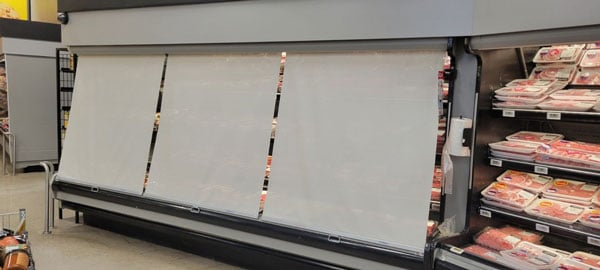
While investing in high-quality Econofrost night covers provides excellent energy savings, shelf-life extension, and protection during power outages, it’s equally important to understand that their performance depends on proper care. Night covers are designed to be durable, whether they are woven aluminum night covers or reflective aluminum night covers, but neglecting cleaning and maintenance can shorten their lifespan.
This guide will walk you through best practices for cleaning, maintaining, and maximizing the longevity of your night covers so they continue delivering savings and performance for years.
Why Night Covers Require Maintenance
Night covers act as a thermal barrier for refrigerated display cases, reducing the load on compressors and maintaining product quality overnight. Whether you’re using 9000 Series night covers or 9600 Series night covers, these devices are constantly rolled up, pulled down, and exposed to store conditions. Over time, dust, food particles, condensation, and even misting systems can affect the surface and mechanisms.
Regular maintenance ensures:
- Energy savings remain consistent – Clean night covers maintain their reflective properties.
- Hygiene standards are met – Particularly important in dairy, meat, and produce cases.
- Durability is maximized – Well-maintained covers last longer, reducing replacement costs.
- Smooth operation – Proper care prevents jamming or premature wear of retractable systems.
Step-by-Step Guide to Cleaning Night Covers
- Establish a Routine Cleaning Schedule
- For high-use areas like meat case night covers or produce case night covers, clean weekly.
- For floral refrigeration night covers or deli case night covers, a biweekly or monthly schedule may suffice.
- Consider misting systems in produce departments; they often require more frequent cleaning.
- Use the Right Cleaning Materials
- Always use a mild soap solution and warm water.
- Avoid harsh chemicals or abrasive scrubs as they can damage the woven aluminum or reflective finish.
- Soft microfiber cloths or non-abrasive sponges work best.
- Cleaning Procedure
- Fully extend the night cover across the open refrigerated display case.
- Gently wipe down the surface, focusing on areas exposed to spills, condensation, or misting.
- Rinse with a clean, damp cloth to remove soap residue.
- Allow to dry completely before retracting to avoid trapping moisture inside the cassette.
Maintaining the Mechanism for Longevity
While the fabric or aluminum surface is critical, the retractable cassette system is equally important. Here’s how to maintain it:
- Check for smooth retraction – If the cover pulls back unevenly, the internal spring may need adjustment or lubrication.
- Inspect end caps and handles – Replace damaged or loose parts to prevent further wear.
- Replace worn-out parts – Use genuine night covers replacement parts from trusted suppliers like RamiCovers.com.
- Motorized night covers – If you use motorized systems, check the wiring, switches, and motors annually for safety and efficiency.
Addressing Common Issues
- Condensation buildup – Ensure covers are fully dry before retracting.
- Dust accumulation – Vacuum around the cassette housing periodically.
- Tears or frays – Small damages in woven aluminum night covers can sometimes be patched, but significant tears require replacement.
- Sticking or jamming – Clean rails and guides, then lubricate lightly if needed.
Longevity Tips for Retailers
Retailers who get the best return on investment (ROI) from night covers follow these simple tips:
- Train staff properly – Teach employees how to extend and retract night covers without tugging or forcing.
- Avoid misuse – Night covers are for thermal protection, not to support signage or extra weight.
- Schedule professional inspection – At least once per year, have a technician assess the performance of your energy-saving refrigeration night covers.
- Upgrade when necessary – If your covers are older models and showing wear, consider upgrading to the 9000 or 9600 Series night covers, which are built for long-lasting performance.
The ROI of Proper Maintenance
Well-maintained night covers can deliver energy savings of 36%–50% in open refrigerated cases, depending on store conditions. They also contribute to shelf life extension by maintaining stable case temperatures overnight.
Additional financial benefits include:
- Night covers energy savings translate directly into reduced utility bills.
- Utility rebate night covers may require proof of maintenance to qualify.
- Night covers reduce shrink – Clean, functional covers protect meat, dairy, and produce from premature spoilage.
- Night covers sustainability solution – Extending lifespan reduces waste and contributes to your store’s green initiatives.
When comparing costs, a well-maintained night cover system offers a significantly better ROI than alternatives such as retrofit glass doors, especially when factoring in installation, maintenance, and shopper behavior impacts.
CTA: Invest in Longevity with Rami Covers
Your night covers are more than just accessories—they’re an essential part of your energy management strategy, product preservation, and sustainability goals. By following proper cleaning and maintenance practices, you’ll extend their life, maximize your night covers cost savings, and keep your refrigerated displays running at peak performance.
For professional guidance, replacement parts, and reliable solutions like the 9000 Series and 9600 Series night covers, visit www.ramicovers.com. Explore installation guides, learn about utility rebates, and discover why leading retailers trust Rami Covers for long-lasting, hygienic, and efficient solutions.