
In modern supermarkets, both merchandising and energy efficiency matter. While planograms are usually designed to maximize product visibility and sales, they can also be optimized to enhance the performance of night covers. A well-designed planogram not only improves customer shopping experiences but also ensures that refrigerated display case night covers deliver their maximum potential in energy savings, product freshness, and shrink reduction.
This blog will explore how retailers can design smarter planograms that make night covers from www.ramicovers.com work harder for both profitability and sustainability.
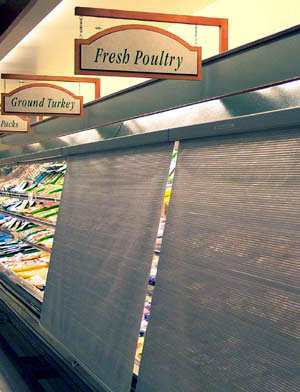
The Role of Planograms in Retail
A planogram is a strategic diagram that determines how and where products should be placed within store displays. It balances sales goals, shopper psychology, and inventory management. Traditionally, retailers use planograms to:
- Increase visibility of high-margin items.
- Group related products for convenience.
- Drive impulse purchases through strategic positioning.
- Ensure consistent store layouts across multiple locations.
When night covers are added to the equation, planograms must also account for energy efficiency, thermal protection, and food preservation.
Why Night Covers Depend on Smart Planogram Design
Night covers act as a thermal barrier that seals refrigerated cases overnight, reducing energy consumption by 36%–50% per hour. But their effectiveness can be influenced by how products are arranged.
For example:
- Overstocking cases can block airflow and reduce cooling efficiency.
- Placing sensitive items like produce or meat near the case edge may expose them to temperature fluctuations.
- Incorrect shelf heights can interfere with the smooth deployment of retrofit night covers.
By aligning planograms with night cover use, retailers ensure that displays remain both shopper-friendly and energy-efficient.
Key Considerations for Planograms with Night Covers
- Product Sensitivity and Placement
Different products respond differently to temperature changes:- Meat case night covers: Keep protein items deeper inside the case for maximum protection.
- Produce case night covers: Avoid placing leafy greens directly near airflow gaps to minimize dehydration.
- Dairy case night covers: Position milk and cheese products in stable cooling zones for extended shelf life.
- Floral refrigeration night covers: Place flowers away from direct airflow to retain color and freshness.
By planning shelf placement strategically, retailers extend product shelf life and reduce shrink.
- Case Accessibility During Daytime
Shoppers expect open refrigerated displays during the day. Planograms should maximize visibility without overcrowding, so that when woven aluminum night covers or reflective aluminum night covers are pulled down at night, they fit seamlessly without damage.
Night covers should never be an afterthought—they must integrate with how products are stocked and replenished daily. - Shelf Height and Cover Deployment
Poorly designed shelf heights can interfere with the smooth operation of motorized night covers or manual units. Retailers should design layouts that:- Leave enough clearance for covers to retract fully.
- Avoid sharp product packaging that could snag or tear covers.
- Position signage or promotional materials in ways that don’t block the night covers.
This prevents damage and extends the lifespan of long-lasting night covers from www.ramicovers.com.
- Energy Optimization Through Planograms
Planograms that complement night covers create multiple efficiencies:- Balanced stocking prevents uneven cooling and minimizes compressor overwork.
- Reduced open-air exposure ensures night covers retain cold air more effectively.
- Energy savings compound when planograms prevent airflow obstructions.
Retailers can calculate these benefits using the Night Covers ROI Calculator.
- Emergency Preparedness
Unexpected events like power outages highlight the importance of well-designed layouts. If perishable products are placed strategically within a covered case, night covers for emergency response provide hours of additional cooling protection, reducing food waste.
A planogram that accounts for these scenarios strengthens overall store resilience.
Linking Planograms to Shrink Reduction
Shrink—the loss of inventory due to spoilage or damage—is one of the highest hidden costs in grocery retail. By integrating night covers into planograms, retailers:
- Protect products overnight, extending freshness into peak shopping hours.
- Reduce trim loss in meat and deli departments.
- Preserve the color and crispness of fresh produce.
- Maintain quality in floral departments for higher sales margins.
With a focus on night covers shelf life extension, retailers not only cut shrink but also increase customer satisfaction.
Night Covers vs. Glass Doors in Planogram Design
When comparing night covers vs. glass doors, planograms tell an important story:
- Glass doors require permanent adjustments to shelf placement and reduce shopper accessibility.
- Night covers maintain open displays during the day while ensuring protection overnight.
- Retailers can maintain consistent planograms across stores without the limitations imposed by bulky glass doors.
This flexibility allows planograms to prioritize sales while still capturing energy savings.
Rebates and Cost Savings with Smarter Layouts
Energy efficiency improvements are often rewarded with utility rebate night covers programs. When combined with optimized planograms, these savings multiply:
- Lower operational costs.
- Higher rebate eligibility.
- Faster ROI on retrofit night covers.
Retailers who integrate planograms and night covers often realize full payback within months, making this a financially sound strategy.
Sustainability Benefits
Planogram strategies that maximize night cover use support broader sustainability initiatives:
- Reduced carbon footprint from energy savings.
- Less food waste due to extended shelf life.
- Improved equipment efficiency, reducing refrigeration system strain.
By promoting night covers as a sustainability solution, retailers enhance their brand reputation and appeal to eco-conscious shoppers.
Conclusion
Planograms are more than merchandising tools—they are strategic blueprints that can make night covers work harder for energy savings, shrink reduction, and customer satisfaction. By carefully considering product placement, airflow, accessibility, and emergency preparedness, retailers can unlock the full value of Econofrost night covers from www.ramicovers.com.
Night covers are a proven solution for reducing refrigeration costs by up to 50% per hour, while preserving freshness and supporting sustainability goals. When combined with smart planogram design, they become even more powerful.
Ready to align your merchandising strategy with energy savings? Visit www.ramicovers.com. to explore our full range of retrofit night covers, or use our ROI Calculator to measure your potential savings today.